The Science of SCUBA Therapy
By Darren J. Landon, CEO and Co-founder of IMURS
How IMURS Makes a Difference
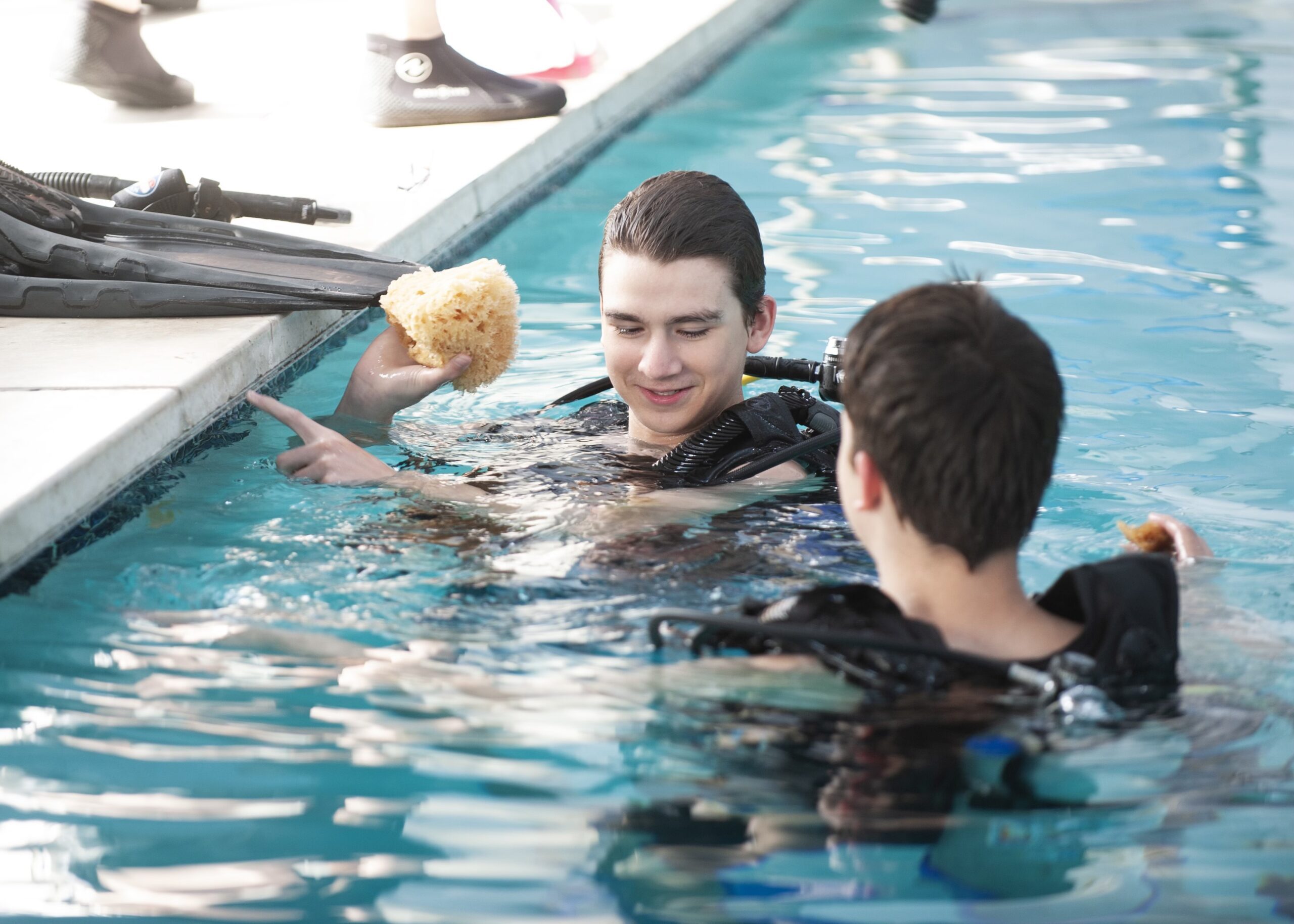
At IMURS, we believe in the transformative power of water—not just as a medium for exploration, but as a tool for healing. As founders of a SCUBA therapy organization committed to improving the lives of individuals with disabilities, trauma, and chronic conditions, we have seen firsthand what the science now confirms: SCUBA diving is not only therapeutic, it’s biologically restorative.
Endorphins: Nature’s Painkiller and Mood Elevator
The underwater experience triggers a release of endorphins—our body’s natural feel-good chemicals. These neurochemicals reduce pain, elevate mood, and create a sense of euphoria. But the therapeutic chemistry does not stop there. SCUBA diving also increases dopamine, which is responsible for motivation, reward, and pleasure, and serotonin, which regulates mood, anxiety, and sleep[1]. For individuals living with depression, PTSD, or chronic discomfort, this neurochemical boost can be immediate and long-lasting[2][3].
Endorphins are a group of peptides produced in the brain and nervous system that act as natural pain relievers and mood elevators. SCUBA therapy enhances their release through physical activity, rhythmic breathing, and sensory immersion[4][5]. Here’s how IMURS’s SCUBA therapy leverages the key functions of endorphins:
Rhythmic Breathing: A Moving Meditation
SCUBA diving requires deep, deliberate, and rhythmic breathing. Similar to techniques used in yoga and meditation, this breath-work activates the parasympathetic nervous system, slowing the heart rate and reducing stress[10][14]. Diving also stimulates the mammalian dive reflex—a calming physiological response that enhances oxygen efficiency and promotes a state of focus[15].
Autism and the Sensory Environment
For our IMURS divers with autism spectrum disorder (ASD), SCUBA therapy offers a remarkable tool for sensory regulation. The consistent pressure of the water, subdued noise, and minimal visual distractions create an environment of safety and predictability[16]. This allows individuals to engage in ways that feel empowering rather than overwhelming. Through structured dives, participants practice communication, teamwork, and self-awareness—all in a space where sensory overload is minimized[17].
PTSD: Reclaiming Calm and Control
PTSD is real. For those who are coping with PTSD, trauma often lives in the body as much as the mind. The underwater world offers a unique opportunity to reset the nervous system. Diving shifts attention to the present moment, stabilizing the overactive fear centers in the brain[18][19]. As participants breathe slowly and navigate their surroundings, they begin to reclaim a sense of control—over their environment, over their bodies, and over their stories[20].
Spinal Cord Injury: Movement Without Gravity
For those with spinal cord injuries, diving is more than therapy—it’s freedom. Water’s buoyancy reduces the strain on joints and supports assisted movement, even in individuals with severe mobility impairments[21]. SCUBA therapy sessions promote circulation, help with reducing muscle spasms, and may even encourage neuroplasticity—the nervous system’s ability to reorganize and heal[22].
Pain Management Through Pressure and Motion
SCUBA diving alleviates chronic pain through a combination of hydrostatic pressure, endorphin release, and unrestricted movement[6][13]. The water supports and cushions the body, allowing divers to stretch and move in ways that might be impossible on land. Over time, this improves flexibility, reduces inflammation, and enhances circulation—all of which contribute to long-term pain reduction and better sleep[12].
Mental Health and Connection
Most importantly, SCUBA therapy fosters connection: to oneself, to others, and to a sense of purpose. The water does not judge. It does not rush. It invites. Every diver—regardless of their background or diagnosis—enters a world where they are capable, present, and alive[23].
IMURS: Where Healing Meets the Sea
Founded by Tony Gibson and Darren J. Landon, IMURS brings SCUBA therapy to individuals with physical, neurological, and psychological challenges. Through adaptive diving experiences and SCUBA therapy, we empower people to discover resilience, confidence, and joy beneath the surface.
References
1. Stahl SM. Essential Psychopharmacology. Cambridge University Press; 2013.
2. Meyer-Lindenberg A, et al. Neural mechanisms of psychiatric vulnerability. Nat Neurosci. 2011.
3. Meyer IH. Exercise and neurochemical benefits for mood disorders. Psychiatry Clin North Am. 2010.
4. Boecker H, et al. The runner’s high: Opioidergic mechanisms. Cereb Cortex. 2008.
5. Harber VJ, Sutton JR. Endorphins and exercise. Sports Med. 1984.
6. Becker BE. Aquatic therapy foundations. PM&R. 2009.
7. Stein C. Control of pain in peripheral tissue. N Engl J Med. 1995.
8. Rattray B, Smee D. Effects of SCUBA diving on mood states. J Sports Med Phys Fitness. 2011.
9. Jerath R, et al. Physiology of long pranayamic breathing. Med Hypotheses. 2006.
10. Lehrer PM, et al. HRV biofeedback and baroreflex. Psychosom Med. 2003.
11. Schultz W. Predictive reward signal of dopamine neurons. J Neurophysiol. 1998.
12. Irwin MR, et al. Sleep loss and inflammation. Psychosom Med. 2006.
13. Black PH, Garbutt LD. Stress, inflammation and disease. J Psychosom Res. 2002.
14. Brown RP, Gerbarg PL. Yogic breathing in depression. J Altern Complement Med. 2005.
15. Foster GE, et al. Simulated diving reflex in humans. J Physiol. 2005.
16. Grandin T. The way I see it. Future Horizons; 2011.
17. Schaaf RC, et al. Sensory-based interventions in ASD. Phys Occup Ther Pediatr. 2014.
18. van der Kolk B. The Body Keeps the Score. Viking; 2014.
19. Bremner JD. Traumatic stress and brain effects. Dialogues Clin Neurosci. 2006.
20. Hölzel BK, et al. Mindfulness and brain matter density. Psychiatry Res. 2011.
21. Kesiktas N, et al. Hydrotherapy in spinal cord injury. Spinal Cord. 2004.
22. Thomas AG, et al. Functional plasticity post-SCUBA. Neurorehabil Neural Repair. 2016.
23. Cohen S, et al. Social ties and immune function. JAMA. 1997.